
Get Commercial Fence Construction
Commercial fence construction services help property owners secure, define, or enclose their spaces with various fencing options for industrial, retail, or agricultural projects.
Commercial fence construction is a practical solution for property owners seeking to enhance security, define boundaries, or improve the overall appearance of their sites. Whether planning a new project or upgrading existing fencing, it’s important to explore options available within the local area. Evaluating different local contractors can help ensure the selected service provider understands the specific needs of the property and offers solutions tailored to those requirements.
Property owners often consider commercial fencing for reasons such as increased privacy, safety, or property management. Comparing local service providers allows for a better understanding of the available materials, construction methods, and experience levels. Continuing to explore your options can lead to finding the right professionals to handle the scope of your project efficiently and effectively.
- Industrial Facility Fencing - needed when securing manufacturing plants or warehouses to prevent unauthorized access.
- Commercial Property Perimeter Fencing - required for defining boundaries and enhancing security around retail centers or office complexes.
- Construction Site Fencing - essential for safeguarding active construction zones and controlling access during development projects.
- Parking Lot Fencing - used to organize and secure parking areas for businesses or large-scale facilities.
- Agricultural or Farm Fencing - necessary for enclosing commercial farms or ranches to protect livestock and crops.
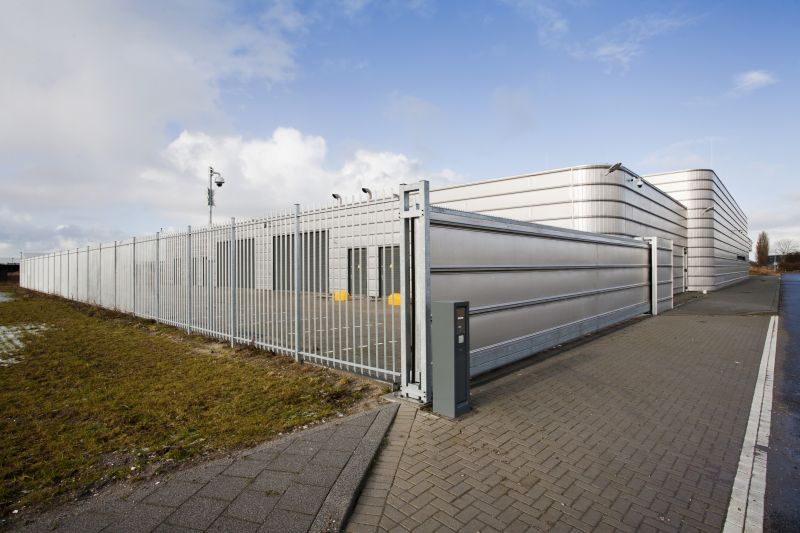
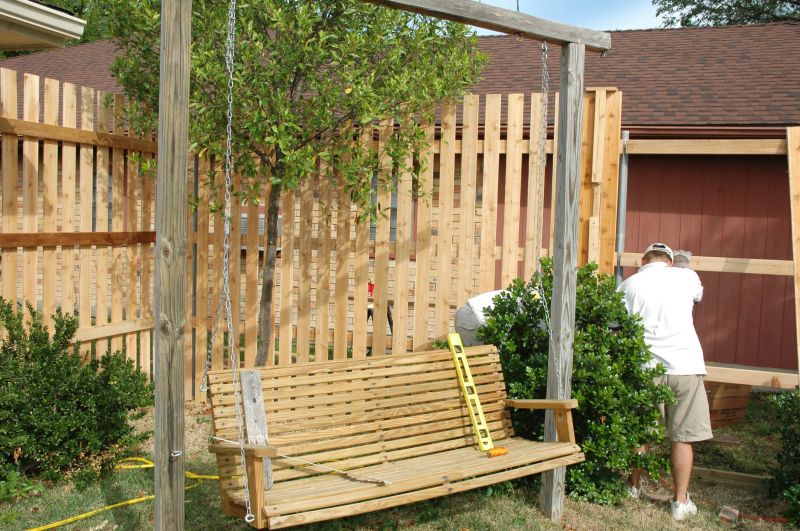
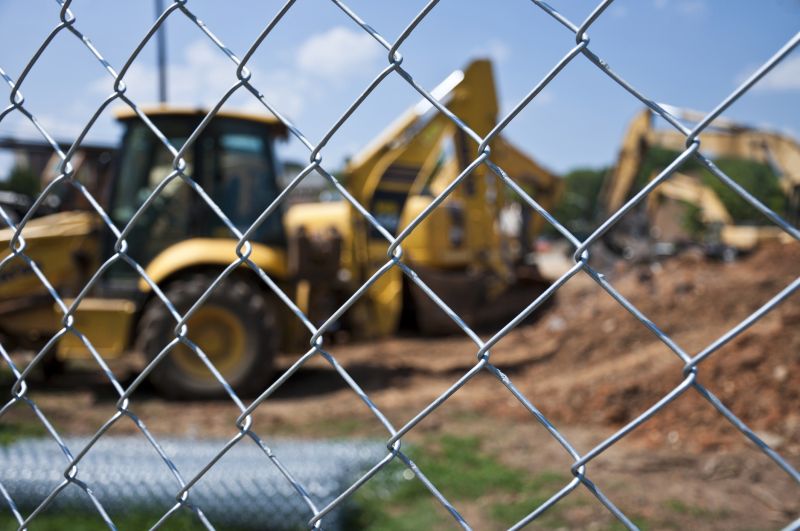
Commercial fence construction services involve designing and installing durable fencing solutions tailored to the specific needs of various business and property owners. These projects typically include selecting appropriate materials, planning the layout, and executing the installation to ensure the fence provides security, privacy, or boundary definition. Whether the goal is to enclose a parking lot, secure a storage yard, or create a designated area within a commercial property, experienced contractors handle all aspects of the construction process to deliver a reliable and long-lasting barrier.
This service helps address common problems such as unauthorized access, theft, or vandalism by creating a physical boundary that enhances security. It also helps define property lines clearly, preventing disputes with neighboring properties. For businesses, a well-constructed fence can improve safety for employees and visitors, control access points, and add a professional appearance to the premises. Additionally, fences can serve as noise barriers or visual screens, reducing disturbances and maintaining privacy for operations or outdoor activities.
Properties that typically utilize commercial fence construction include retail centers, warehouses, industrial facilities, office complexes, and municipal buildings. These types of properties often require fences that can withstand heavy use and harsh weather conditions while maintaining a professional look. Property owners may also seek fencing solutions for outdoor storage areas, construction sites, or specialized zones such as utility stations or equipment yards. The right fencing helps protect assets, improve security, and meet regulatory or zoning requirements.
Homeowners who own large properties or operate home-based businesses may also find commercial fence construction beneficial for creating secure perimeters or private outdoor spaces. In rural or semi-rural areas, fences can mark boundaries and safeguard livestock or equipment. When property owners face issues like trespassing, theft, or the need for privacy, connecting with local contractors who specialize in commercial fencing can provide tailored solutions. These professionals can recommend suitable materials and designs to meet the specific needs of each property type.
The overview below groups typical Commercial Fence Construction projects into broad ranges so you can see how smaller, mid-sized, and larger jobs often compare in your area.
In many markets, a large share of routine jobs stays in the lower and middle ranges, while only a smaller percentage of projects moves into the highest bands when the work is more complex or site conditions are harder than average.
Smaller Repairs - Typical costs for minor fence repairs, such as replacing a few panels or fixing gates, usually range from $250 to $600. Many routine jobs fall within this middle range, depending on the extent of the work needed.
Standard Fence Installation - Installing a new commercial fence generally costs between $1,500 and $4,000 for most projects. Larger, more complex installations can reach $5,000 or more, but most jobs are priced within this range.
Full Fence Replacement - Replacing an entire existing fence often falls between $4,000 and $10,000, depending on length, materials, and site conditions. While some projects can go higher, many local contractors handle replacements within this typical band.
Custom or High-Security Fences - Specialized fences, such as high-security or custom-designed structures, can cost $10,000 or more. These projects are less common and tend to be at the higher end of the pricing spectrum, reflecting their complexity and features.
Actual totals will depend on details like access to the work area, the scope of the project, and the materials selected, so use these as general starting points rather than exact figures.
Industrial Security Fencing - local contractors who install heavy-duty fencing for security purposes often use similar skills and tools as those in commercial fence construction.
Warehouse Enclosure Projects - building enclosures for warehouses requires planning and construction techniques comparable to commercial fencing systems.
Perimeter Barrier Installations - establishing secure perimeters around commercial properties involves similar planning and fencing methods used in commercial fence projects.
Parking Lot Barrier Systems - installing barriers and fencing in parking areas shares common skills with commercial fence construction, including site assessment and material handling.
Industrial Gate and Access Control Installations - setting up gates and access points in industrial settings involves planning and construction expertise akin to commercial fencing.
Landscape and Site Boundary Fencing - defining property boundaries with fencing requires similar planning, materials, and installation techniques as commercial fence projects.
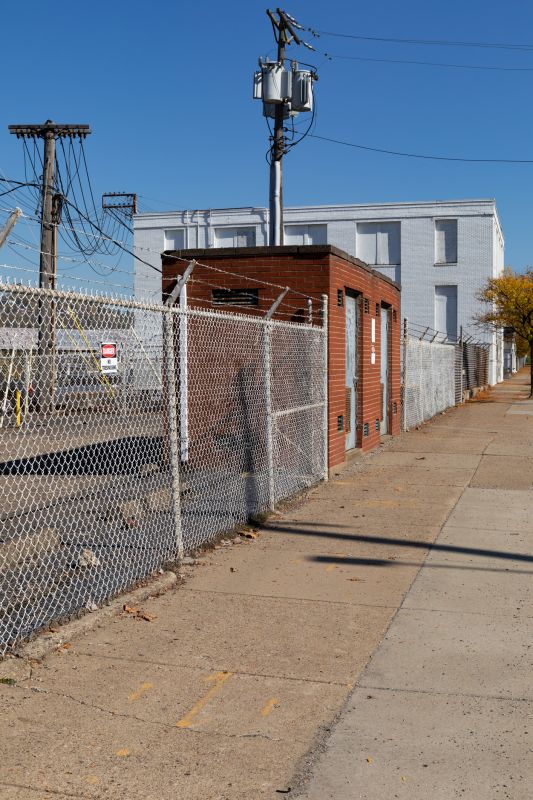
When comparing service providers for commercial fence construction, it’s important to evaluate their experience with similar projects. A contractor with a proven track record of handling commercial fencing jobs comparable in size, scope, and complexity can offer valuable insight into their capabilities. Homeowners should look for local contractors who can demonstrate a history of successful projects in the area, which often indicates familiarity with local regulations, terrain, and common challenges. This experience can contribute to smoother project execution and a result that aligns with the specific needs of the property.
Clear, written expectations are essential when choosing a contractor for commercial fencing. A reputable local service provider should be able to provide detailed proposals outlining the scope of work, materials to be used, and the estimated process for completing the project. Having these expectations documented helps ensure all parties are aligned and minimizes misunderstandings. Homeowners should seek out contractors who prioritize transparency and can articulate their approach in writing, offering confidence that the project will be managed professionally and efficiently.
Reputable references and effective communication are key indicators of a reliable contractor. Local pros with strong reputations can often provide references from previous clients, offering insights into their work ethic, reliability, and quality of craftsmanship. Good communication throughout the process is equally important, as it ensures questions are answered promptly and any concerns are addressed before work begins. When evaluating potential service providers, homeowners should look for those who are responsive, clear in their explanations, and committed to keeping clients informed. This combination of experience, clarity, and communication can help ensure a positive and successful fencing project.
Property owners use Commercial Fence Construction services for practical projects around their homes and businesses. This guide focuses on everyday jobs and straightforward project options.
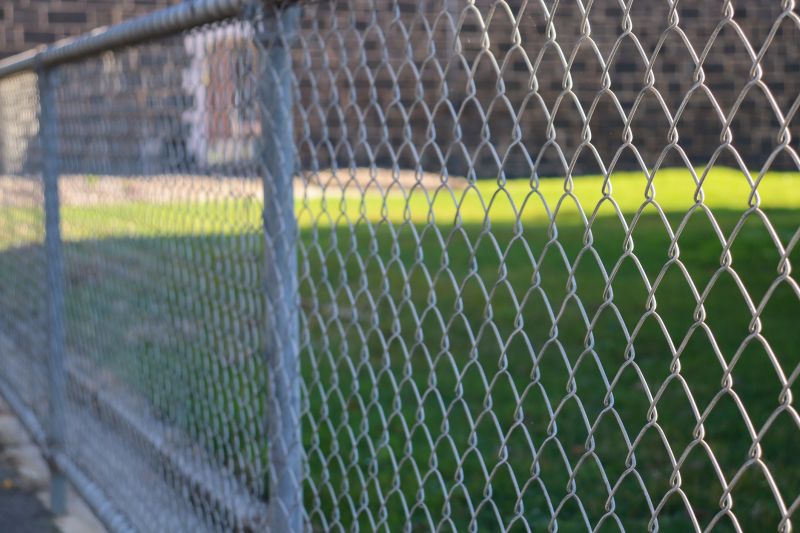
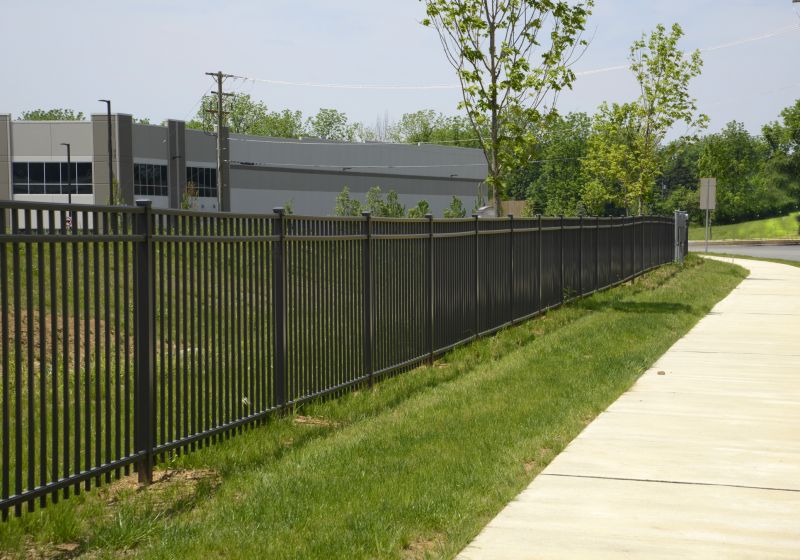
Commercial fence construction is a common project for property owners looking to secure their business premises, define property boundaries, or enhance privacy around industrial sites. Local contractors often handle these jobs for a variety of reasons, such as installing new fencing around a commercial lot, replacing outdated or damaged barriers, or expanding existing fencing to accommodate business growth. Whether it’s for security, safety, or aesthetic purposes, property owners frequently seek professional services to ensure the work is done efficiently and meets their specific needs.
Businesses and property managers in the area may also look for commercial fencing services when preparing for upcoming projects or changes to their property layout. This can include installing fencing to contain equipment, create designated zones, or improve overall site management. Local service providers are equipped to handle different types of fencing materials and styles, helping property owners achieve functional and durable barriers that support their operational goals.
What types of commercial fences do local contractors typically install? Local contractors commonly install various types of fences including chain-link, wood, vinyl, and ornamental iron to suit different business needs and property styles.
Can commercial fence construction enhance security for a business property? Yes, many service providers offer fencing options designed to improve security, such as tall, durable fences with restricted access points.
What are common materials used in commercial fence construction? Common materials include chain-link, wood, vinyl, aluminum, and wrought iron, each offering different levels of durability and privacy.
Do local contractors provide customization options for commercial fences? Many service providers offer customization in height, design, and features to meet specific security, privacy, or aesthetic requirements.
How do local pros ensure the durability of commercial fences? They use quality materials and construction techniques suited for the local climate and environmental conditions to ensure long-lasting performance.
Commercial Fence Installation - Property owners can enhance security and define boundaries around their business premises with professional fence installation by local contractors.
Privacy Fence Solutions - Businesses seeking to create private outdoor spaces or restrict access can work with local service providers to install privacy fences.
Security Fencing Options - Commercial properties looking to prevent unauthorized entry or protect assets can explore security fencing options from trusted local contractors.
Custom Fence Designs - Property owners can customize fence styles and materials to match their property's aesthetic while serving practical purposes.
If you are thinking about Commercial Fence Construction for a property, this guide is meant to help you understand the work, the typical project types, and how different options might fit your plans.
When you are ready, you can use the quote form on this page to share a few details about your project. From there, local pros can review the basics and respond with options that match what you have in mind.