
Get Retention Wall Installation
Retention wall installation services help property owners stabilize slopes, prevent erosion, and create level areas for landscaping or construction projects.
Retaining walls are an essential feature for property owners seeking to improve landscape stability, prevent erosion, or create distinct outdoor spaces. If you’re considering this type of project, you’re in the right place to explore options and gather information about local contractors experienced in retaining wall installation. Whether planning a new feature or repairing an existing structure, understanding your choices can help ensure the work meets your property’s specific needs.
Property owners in the area often look into retaining wall services to enhance their outdoor aesthetics, improve drainage, or address challenging terrain. Comparing local contractors who specialize in this work can provide valuable insights into the different approaches and materials available. Keep reading to learn more about how to connect with experienced service providers who can help bring your project plans to life.
- Retaining Wall Installation - when property owners need to prevent soil erosion and stabilize slopes.
- Retaining Wall Repair - if existing walls are cracked, leaning, or showing signs of failure.
- Retaining Wall Replacement - when old or damaged walls require complete removal and new construction.
- Retaining Wall Design - for those seeking custom solutions to enhance landscape aesthetics and functionality.
- Retaining Wall Maintenance - to ensure the longevity and performance of existing retaining structures.
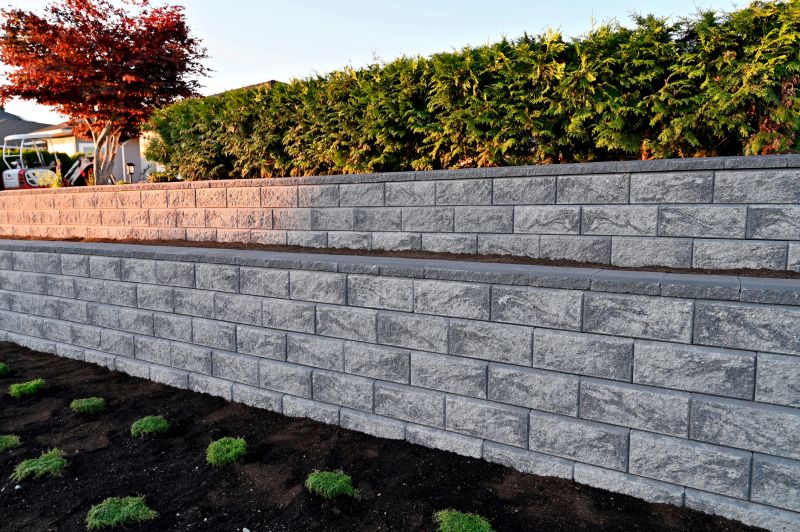
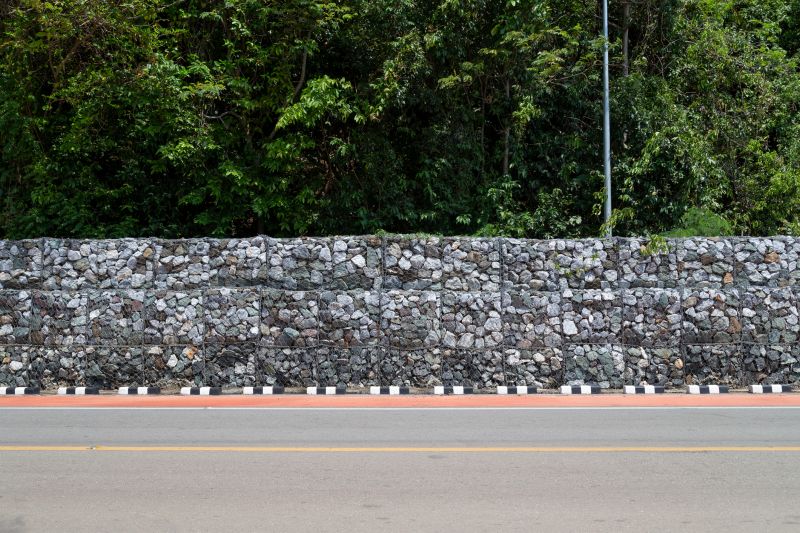
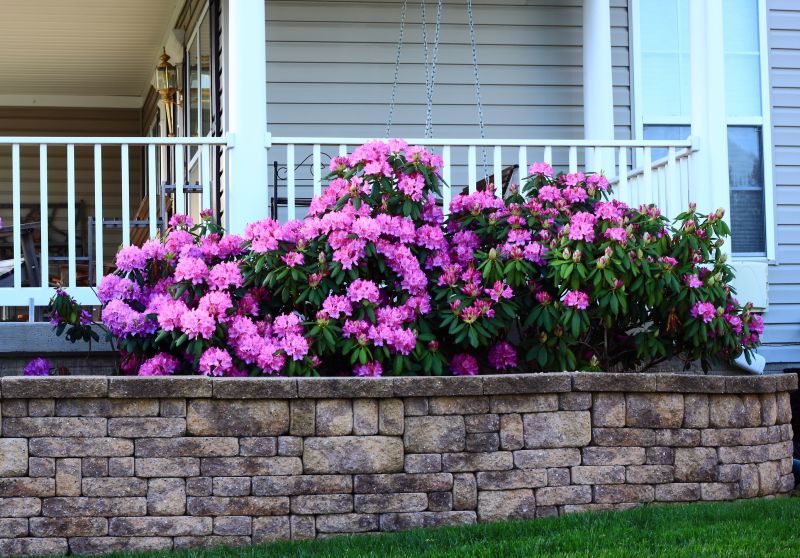
Retention wall installation services involve constructing durable barriers designed to hold back soil and prevent erosion on sloped or uneven properties. These walls are typically made from materials such as concrete, stone, brick, or timber, and are carefully built to provide stability and support for landscaping, gardens, or property boundaries. Proper installation ensures that the wall can withstand the pressure of the soil it retains, helping to create a level outdoor space and protect structures from shifting or settling caused by soil movement.
This service helps address common problems like soil erosion, landscape instability, and water runoff issues. Without a retaining wall, heavy rain or irrigation can wash away topsoil, damage plants, or cause uneven ground that makes outdoor spaces difficult to use. Retention walls also prevent landslides or soil shifting that could compromise the foundation of nearby structures. By controlling water flow and stabilizing the terrain, these walls contribute to a safer and more functional outdoor environment.
Retention walls are often installed on residential properties with sloped yards, hillside gardens, or uneven terrain where level areas are desired. They are also used in commercial and public spaces that require erosion control or landscape support. Properties with gardens, driveways, or outdoor living spaces that need to be terraced or contained benefit from this type of installation. Whether for aesthetic reasons or to improve land stability, many property owners find retention walls to be a practical solution for managing challenging landscapes.
Local contractors who specialize in retention wall installation can evaluate a property’s terrain and recommend the most suitable materials and design. They handle everything from site preparation to the final build, ensuring the wall is structurally sound and built to last. Homeowners considering this service should look for experienced providers who understand local soil conditions and drainage needs. Properly installed retention walls can enhance the safety, appearance, and usability of outdoor spaces, making them a valuable addition to many types of properties.
The overview below groups typical Retention Wall Installation projects into broad ranges so you can see how smaller, mid-sized, and larger jobs often compare in your area.
In many markets, a large share of routine jobs stays in the lower and middle ranges, while only a smaller percentage of projects moves into the highest bands when the work is more complex or site conditions are harder than average.
Smaller Repairs - typical costs for minor retention wall repairs or modifications generally fall between $250 and $600. Many routine jobs land in this middle range, while fewer projects reach the higher end of the spectrum.
Partial Replacement - replacing a section of an existing retention wall usually costs between $1,000 and $3,000 depending on size and materials. Larger, more complex partial projects can approach $4,000 or more.
Full Installation - installing a new retention wall can range from $3,000 to $10,000 or higher. Many standard installations fall within the middle of this range, with larger or custom designs pushing costs upward.
Custom or Complex Projects - highly detailed or large-scale retention wall projects often exceed $10,000, with some reaching $20,000+ depending on scope and site conditions. These are less common but represent the upper end of typical project costs.
Actual totals will depend on details like access to the work area, the scope of the project, and the materials selected, so use these as general starting points rather than exact figures.
Landscape grading and terracing - these projects involve planning and executing soil stabilization techniques similar to retaining wall installation to prevent erosion and manage slopes.
Garden wall construction - building decorative or functional garden walls requires skills in masonry, planning, and material selection comparable to retention wall projects.
Erosion control projects - implementing solutions to prevent soil erosion often involves installing structures like retaining walls or barriers, requiring similar expertise.
Soil stabilization and drainage systems - designing and installing drainage or stabilization systems involves planning and skills that align with retention wall installation processes.
Foundation wall repairs - repairing or reinforcing foundation walls shares techniques related to structural support and excavation common in retention wall work.
Patio and outdoor living space construction - creating level outdoor areas often involves retaining walls, requiring similar planning, excavation, and masonry skills.
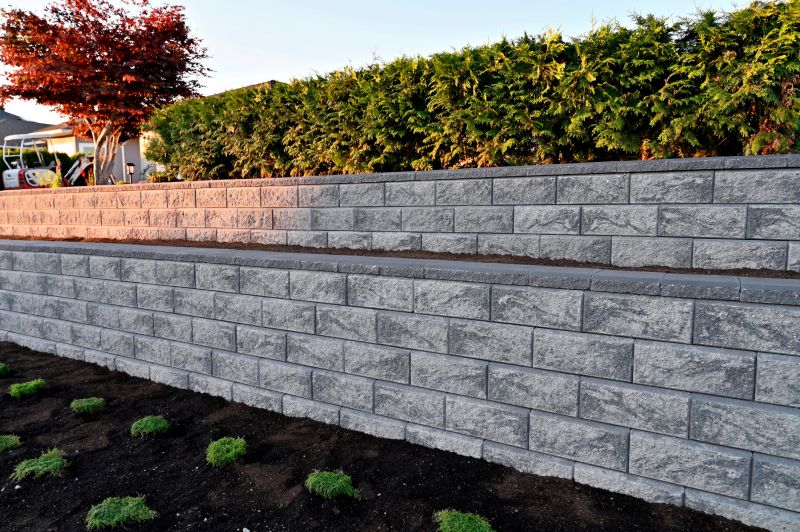
When evaluating potential service providers for retaining wall installation, it’s important to consider their experience with similar projects. Homeowners should inquire about the types of retaining walls the contractors have built in the past, paying attention to the complexity and scale of those projects. A contractor with a proven track record of handling comparable work is more likely to understand the specific challenges involved and deliver results that meet expectations. Reviewing the contractor’s portfolio or asking for examples of previous work can provide valuable insight into their expertise and craftsmanship.
Clear, written expectations are essential to ensure that both the homeowner and the contractor are aligned on the scope of work. It’s advisable to discuss and document details such as materials, design features, and any specific requirements upfront. This helps prevent misunderstandings and provides a reference point throughout the project. Reputable service providers will be transparent about their processes and willing to put agreed-upon details into a written agreement, fostering clarity and accountability from the start.
Good communication and reputable references are key indicators of a reliable local contractor. Homeowners should seek out service providers who are responsive and willing to answer questions throughout the process. Additionally, requesting references from previous customers can offer insights into the contractor’s professionalism, quality of work, and ability to meet deadlines. Since the site connects homeowners with local options, it’s important to verify that the chosen contractor has a solid reputation and a history of positive client interactions, which can contribute to a smoother and more satisfying project experience.
Property owners use Retention Wall Installation services for practical projects around their homes and businesses. This guide focuses on everyday jobs and straightforward project options.
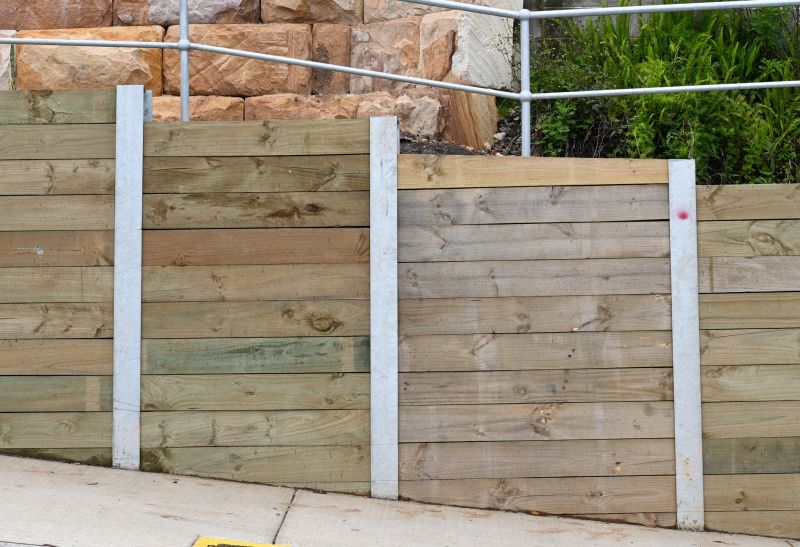
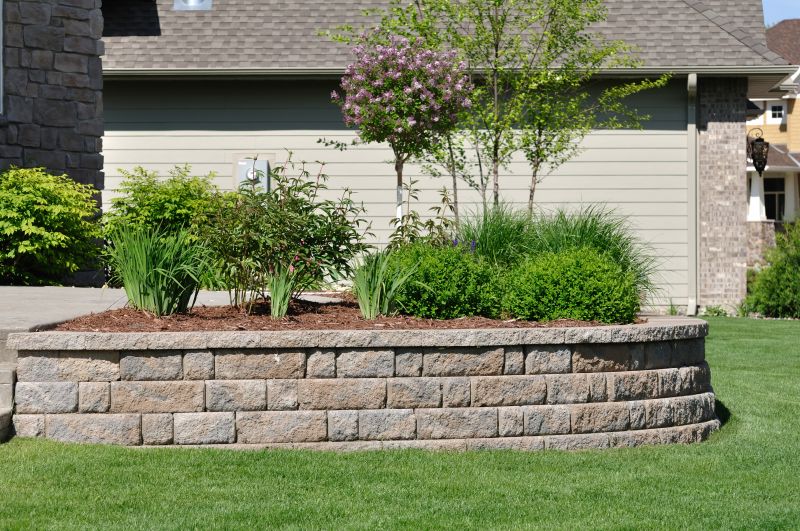
Retention wall installation is a common project for property owners looking to improve the stability and appearance of their outdoor spaces. Local contractors are often called upon to build these structures to prevent soil erosion, manage slope issues, or create level areas for gardens, patios, or pathways. Homeowners may seek this work after noticing shifting soil, water runoff problems, or simply wanting to enhance their landscape’s functionality and curb appeal.
Many property owners turn to local service providers for retention wall installation when planning landscape upgrades or addressing drainage concerns. These projects can also be part of larger renovation efforts, such as expanding outdoor living areas or securing a hillside. Local contractors can handle a variety of project sizes, helping property owners achieve durable, attractive walls that serve both practical and aesthetic purposes.
What materials are commonly used for retention wall installations? Local contractors often work with materials like concrete blocks, natural stone, or segmental retaining wall systems to build durable and functional retention walls.
How do retention walls help with landscape stability? Retention walls provide support for soil and prevent erosion, helping to maintain the integrity of sloped landscapes and prevent land movement.
What factors influence the choice of a retention wall design? Local service providers consider factors such as soil type, slope, drainage needs, and aesthetic preferences when recommending a suitable retention wall design.
Are there different types of retention walls suited for various terrains? Yes, there are various types like gravity, cantilever, and anchored walls, each suited to different soil conditions and landscape requirements.
What should be considered when planning for retention wall installation? It’s important to evaluate site conditions, drainage solutions, and the purpose of the wall to ensure proper installation by experienced local contractors.
Garden Border Enhancement - Installing a retaining wall can help define garden beds and prevent soil erosion, creating a neat and organized outdoor space.
Slope Stabilization - Retaining walls are useful for managing uneven terrain or slopes to make areas safe and accessible for everyday use.
Outdoor Living Improvements - Adding a retaining wall can create level areas for patios, seating, or play zones in yards with varied elevations.
Property Boundary Definition - Retaining walls can serve as clear boundaries between different parts of a property, enhancing privacy and landscape design.
If you are thinking about Retention Wall Installation for a property, this guide is meant to help you understand the work, the typical project types, and how different options might fit your plans.
When you are ready, you can use the quote form on this page to share a few details about your project. From there, local pros can review the basics and respond with options that match what you have in mind.