
Get Vapor Barrier Installation
Vapor barrier installation services help property owners prevent moisture problems and mold in basements, crawl spaces, and other areas by working with trusted local contractors.
Property owners considering vapor barrier installation often seek practical solutions to improve indoor comfort and protect their investments. Proper vapor barriers can help prevent moisture buildup, reduce mold growth, and enhance the overall durability of a building’s structure. Whether planning a new construction project or upgrading an existing property, exploring local contractors who specialize in vapor barrier services can provide valuable insights and options tailored to specific needs.
By comparing local service providers, property owners can find experienced contractors equipped to handle a range of vapor barrier installation projects. Taking the time to review different options ensures that the chosen professionals understand the unique requirements of the local area and can deliver effective, reliable results. Continuing to explore available services can help in making informed decisions for maintaining and improving property integrity.
- Basement renovation projects - vapor barrier installation may be needed to prevent moisture issues during basement upgrades.
- New construction builds - ensuring proper vapor barriers is essential for controlling indoor humidity in new structures.
- Foundation repairs - local contractors can add vapor barriers to improve moisture control after foundation work.
- Attic and crawl space sealing - vapor barriers help manage humidity levels in attic and crawl space insulation projects.
- Waterproofing efforts - vapor barriers are often part of comprehensive waterproofing solutions to protect building interiors.
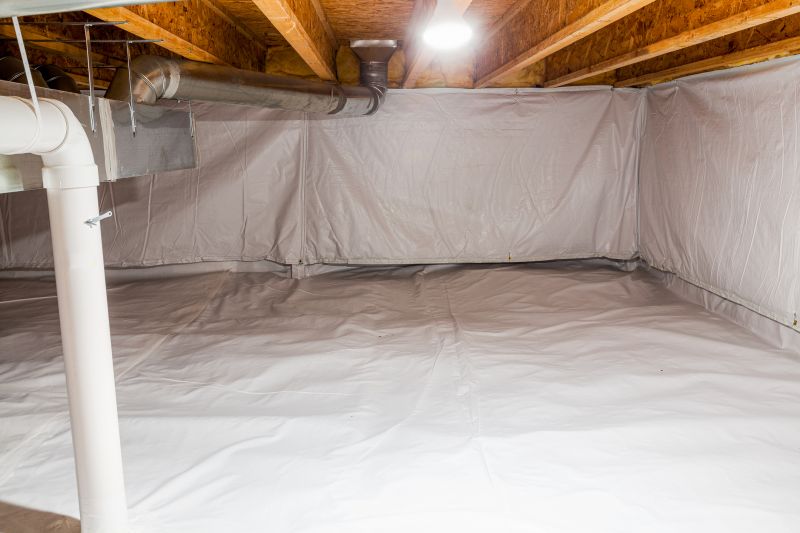
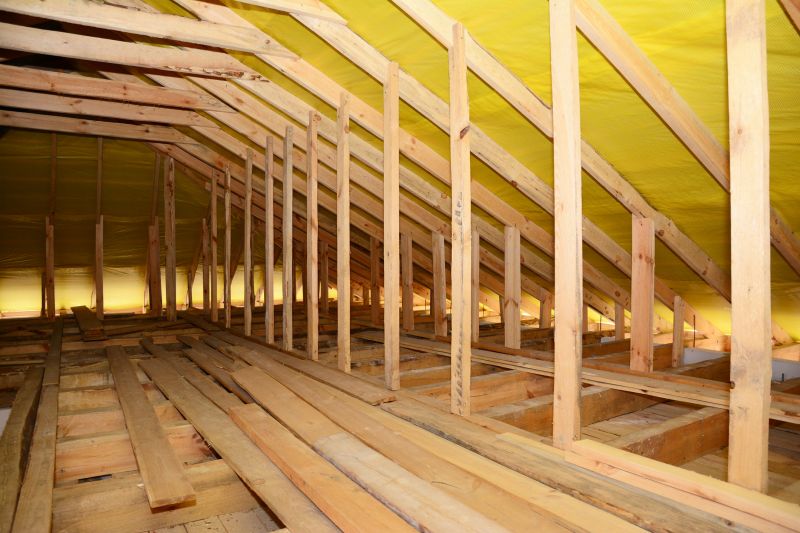
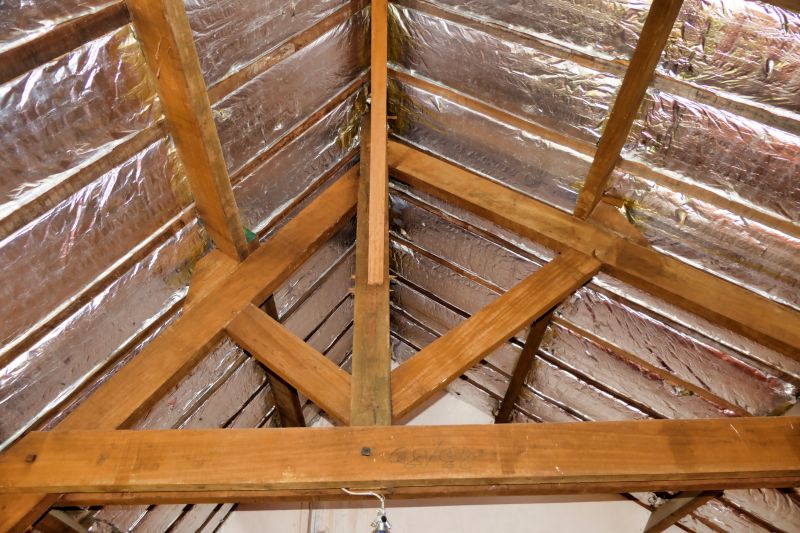
Vapor barrier installation involves placing a specialized barrier material in areas prone to moisture issues, such as crawl spaces, basements, attics, or walls. This barrier helps prevent the transfer of moisture from the ground or surrounding environment into the property’s interior spaces. Proper installation ensures that moisture does not condense on surfaces, which can lead to problems like mold growth, wood rot, and increased humidity levels. Local service providers can assess the specific needs of a property and recommend the right type of vapor barrier to effectively control moisture and improve indoor air quality.
This service is particularly valuable in addressing common moisture-related problems that can affect the structural integrity and health of a property. Excess moisture can cause wood framing to weaken, promote mold and mildew growth, and lead to unpleasant odors. In colder months, inadequate vapor barriers can contribute to condensation on walls and ceilings, resulting in damage over time. Installing a high-quality vapor barrier helps mitigate these issues by creating a moisture-resistant layer that reduces the risk of long-term damage and maintains a healthier living environment.
Vapor barrier installation is often sought for residential properties, especially those with basements, crawl spaces, or attics where moisture tends to accumulate. It is also frequently used in new construction projects or during major renovations to ensure proper moisture control from the outset. Different types of properties, including single-family homes, multi-family buildings, and even some commercial spaces, may benefit from vapor barriers depending on their construction and location. Local contractors can evaluate the property's specific conditions and recommend the most suitable materials and installation techniques.
Homeowners who notice signs of excess humidity, mold growth, or musty odors may find vapor barrier installation to be an effective solution. It is also a proactive measure for those preparing a property for sale or looking to improve overall indoor air quality. By working with experienced service providers, property owners can ensure that the vapor barrier is installed correctly and tailored to their needs. Connecting with local contractors can provide the expertise necessary to address moisture challenges and protect the long-term value of a property.
The overview below groups typical Vapor Barrier Installation projects into broad ranges so you can see how smaller, mid-sized, and larger jobs often compare in your area.
In many markets, a large share of routine jobs stays in the lower and middle ranges, while only a smaller percentage of projects moves into the highest bands when the work is more complex or site conditions are harder than average.
Smaller Repairs - For minor vapor barrier repairs or patching, local contractors typically charge between $250 and $600. Many routine jobs fall within this range, depending on the size and accessibility of the area.
Partial Installations - When installing vapor barriers in specific areas like crawl spaces or basements, costs generally range from $600 to $1,500. Larger, more complex projects can push costs higher, but most projects stay within this middle tier.
Full Replacement - Replacing an entire vapor barrier system across an entire basement or crawl space can cost between $1,500 and $3,500. These projects are less common but represent a significant portion of larger-scale installations.
Complex or Custom Projects - Very large or intricate vapor barrier installations, such as in commercial buildings, can exceed $5,000. Such projects are less frequent and depend heavily on the scope and specific requirements of the space.
Actual totals will depend on details like access to the work area, the scope of the project, and the materials selected, so use these as general starting points rather than exact figures.
Basement Insulation Installation - this project involves installing vapor barriers as part of insulation systems to control moisture and improve energy efficiency.
Crawl Space Encapsulation - encapsulation requires proper vapor barrier installation to prevent moisture buildup and protect structural components.
Concrete Floor Moisture Barrier - applying vapor barriers beneath concrete slabs to prevent ground moisture from affecting indoor environments.
Attic Insulation and Ventilation - includes installing vapor barriers to manage humidity levels and prevent mold growth in attic spaces.
Roof Underlayment Installation - involves laying waterproof barriers that share similar planning and material handling skills as vapor barrier projects.
Foundation Waterproofing - sealing foundation walls with vapor and waterproof barriers to protect against moisture intrusion and damage.
When comparing local contractors for vapor barrier installation, it’s important to consider their experience with similar projects. Homeowners should look for service providers who have a proven track record of successfully completing vapor barrier work in settings comparable to their own homes. An experienced professional will be familiar with the specific challenges that can arise during installation and will be more likely to deliver results that meet expectations. Gathering information about how long a contractor has been working in the local area and whether they have handled projects similar in size and scope can help ensure confidence in their capabilities.
Clear, written expectations are essential when evaluating potential service providers. Homeowners should seek contractors who provide detailed descriptions of the work involved, including the materials used, the steps they will take, and what the customer can expect throughout the process. Having this information in writing helps prevent misunderstandings and ensures that everyone is aligned on the project’s scope. It’s also beneficial to ask for a comprehensive outline of the project timeline, costs, and any warranties or guarantees offered, so that expectations are transparent from the outset.
Reputable references and good communication are key indicators of a reliable vapor barrier installer. Homeowners should ask potential service providers for references from previous clients who had similar work done. Contacting these references can provide insights into the contractor’s professionalism, reliability, and quality of work. Additionally, choosing a contractor who demonstrates clear and prompt communication-whether through phone, email, or in-person discussions-can make the entire process smoother. Effective communication helps ensure that questions are answered, concerns are addressed, and the project proceeds as planned, leading to a more satisfactory experience.
Property owners use Vapor Barrier Installation services for practical projects around their homes and businesses. This guide focuses on everyday jobs and straightforward project options.
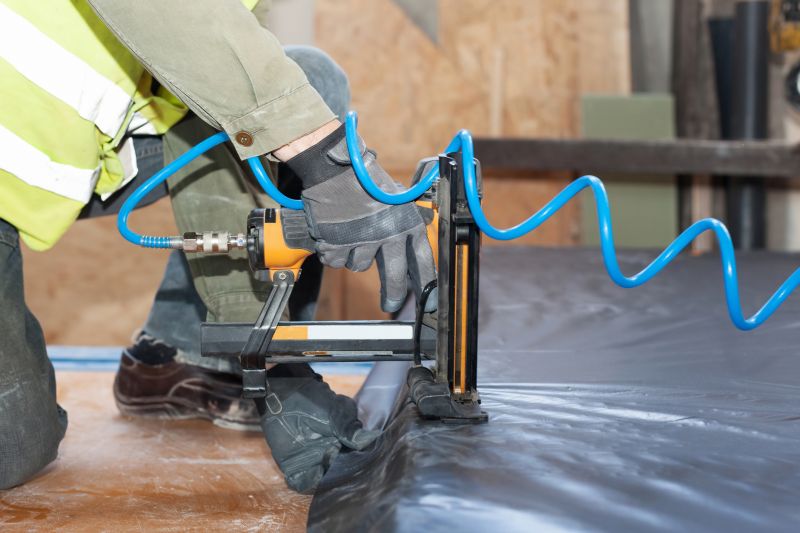
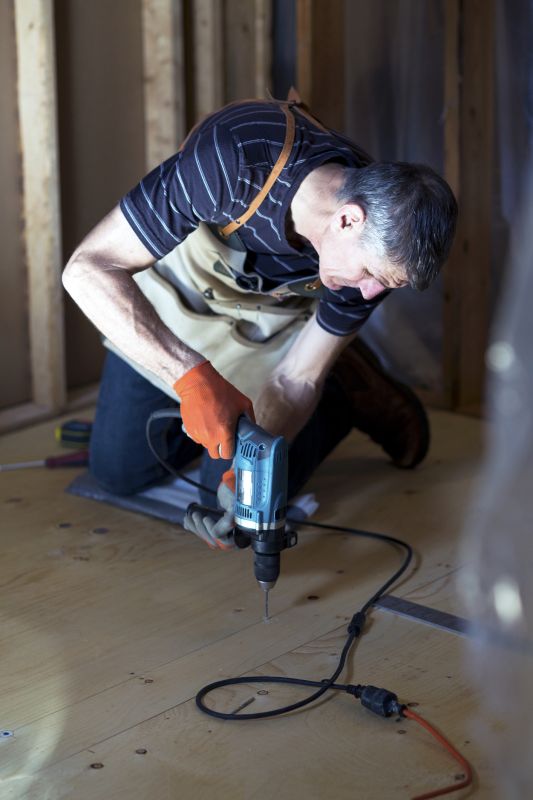
Vapor barrier installation is a common project for property owners looking to improve indoor comfort and protect building materials. Local contractors are often called upon to install these barriers in basements, crawl spaces, or attics to prevent moisture buildup, which can lead to mold growth and structural issues. Homeowners and property managers might seek these services when renovating, dealing with dampness, or preparing a space for new flooring or insulation.
Many property owners in the area consider vapor barrier installation as part of maintaining a healthy and durable property. These services are frequently needed when addressing persistent humidity problems or preparing properties for seasonal changes. Local service providers can help ensure that vapor barriers are installed correctly to help manage moisture levels and preserve the integrity of the building over time.
What is a vapor barrier and why is it important? A vapor barrier helps prevent moisture from passing through walls and floors, reducing the risk of mold and structural damage in buildings.
How do local contractors install vapor barriers? They typically assess the area, prepare surfaces, and then carefully install the barrier material to ensure proper coverage and effectiveness.
Can vapor barriers be installed in existing structures? Yes, experienced service providers can add vapor barriers to existing buildings, often during renovations or repairs.
What types of vapor barrier materials are commonly used? Common materials include polyethylene sheets, foil-backed membranes, and other specialized vapor-resistant products suitable for different applications.
How do I find qualified local pros for vapor barrier installation? This site helps connect homeowners with local contractors who specialize in vapor barrier services, making it easier to compare options and choose a provider.
Basement Moisture Control - Installing a vapor barrier can help prevent moisture buildup in basements, reducing the risk of mold and structural damage.
Attic Insulation Improvement - A vapor barrier can be added to attic spaces to improve insulation effectiveness and maintain consistent indoor temperatures.
Garage Floor Protection - Applying a vapor barrier beneath garage flooring can prevent moisture from seeping through and damaging the concrete or flooring materials.
New Construction Projects - Incorporating vapor barriers during new building installations can enhance overall indoor air quality and protect building materials from moisture issues.
If you are thinking about Vapor Barrier Installation for a property, this guide is meant to help you understand the work, the typical project types, and how different options might fit your plans.
When you are ready, you can use the quote form on this page to share a few details about your project. From there, local pros can review the basics and respond with options that match what you have in mind.